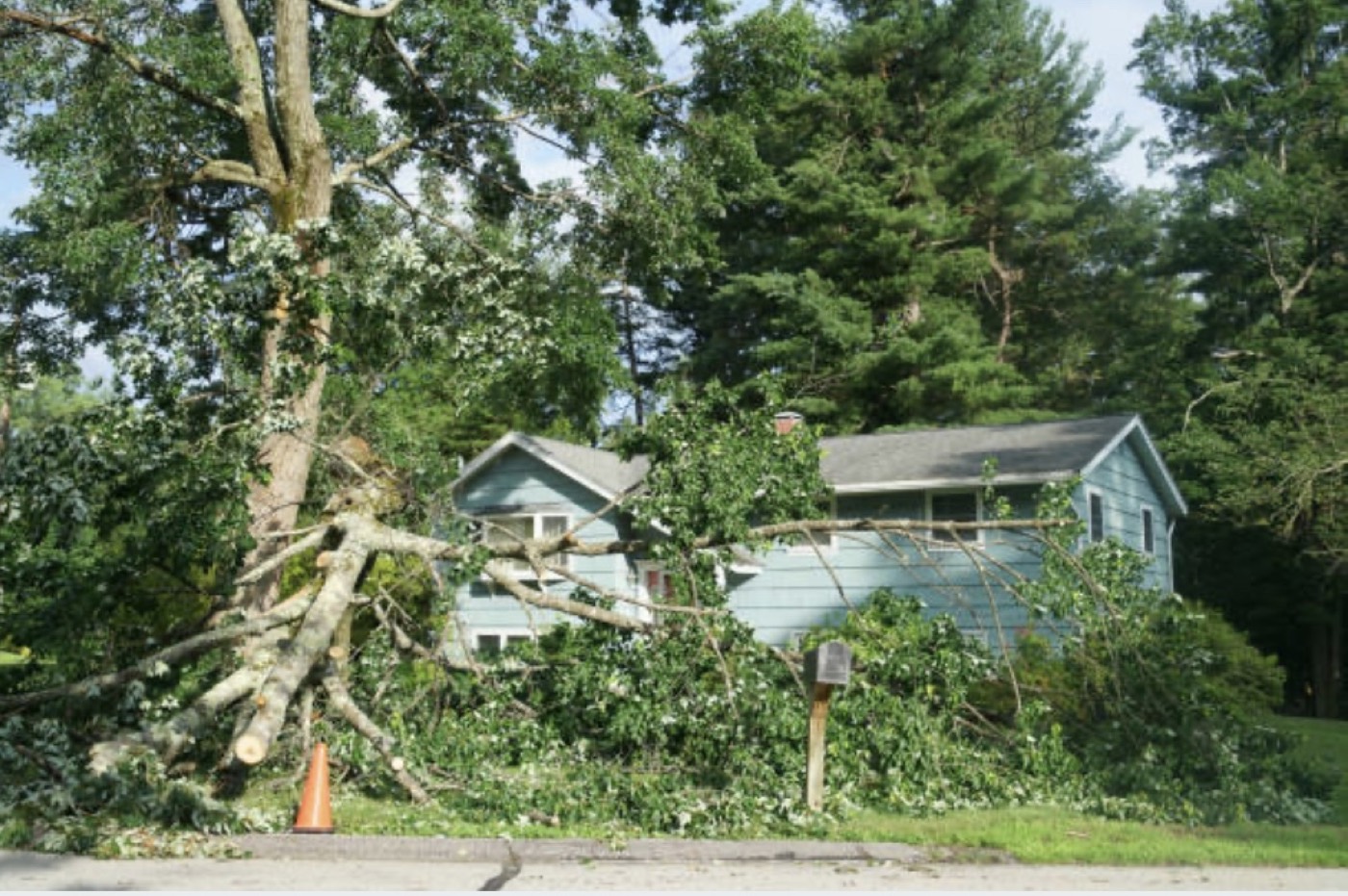
Overgrown trees are often treated as a "later" project, but delayed trimming can quietly stack up risk. By the time homeowners notice obvious warning signs, they are often already paying for roof wear, blocked drainage, emergency cleanup, or repeated limb failures after storms. The goal is not cosmetic perfection. The goal is predictable safety.
Quick Takeaways
- Canopies that grow unchecked put pressure on roofs, gutters, fences, and utility corridors.
- Storm wind load rises with density, especially when branch unions or trunk tissue are already weak.
- Overgrowth can reduce visibility and access around driveways, sidewalks, and emergency routes.
- A scheduled trim cycle is usually more affordable and less disruptive than recurring emergency calls.
The Hidden Cost of "We’ll Handle It Later"
Overgrown trees create slow-moving damage before a major break ever happens. Limbs brushing a roof can remove granules and shorten shingle life. Constant leaf and twig load in gutters traps moisture, contributing to fascia problems and overflow near foundations. None of this appears in one dramatic moment, which is why it gets ignored.
Homeowners also absorb soft costs: recurring cleanup time, poor light penetration in key yard areas, and uncertainty about what might fail in the next heavy wind event. A professional trim plan replaces uncertainty with clear intervals and measurable risk reduction.
Why Overgrowth Fails Harder During Storms
Dense crowns act like sails. During wind events common in Mid-Michigan, extra drag transfers force through branch unions and trunk structure. If a tree already has included bark, old wound sites, or hidden decay, the chance of large section failure increases quickly.
Failure risk also climbs when weight is concentrated on one side of the canopy. Selective reduction and balancing can lower leverage and reduce break potential without removing healthy structure unnecessarily.
If you are already seeing hanging limbs, roof contact, or repetitive post-storm debris, you are past routine maintenance and moving into hazard management territory.
How Overgrowth Affects Home Systems
Roof and Gutter Performance
Shaded roof zones stay wetter longer. Combined with organic debris, this can accelerate wear and increase maintenance burden.
Exterior Surfaces and Windows
Branches that repeatedly strike siding or windows during wind can cause progressive damage that appears minor until replacement is needed.
Driveways and Walk Access
Low clearance and encroaching limbs reduce visibility and maneuver room, especially at night or during snow events when line of sight already drops.
Tree Health and Pest Pressure
Overgrowth does not just threaten structures. It can weaken tree health. Crowded canopies reduce airflow and sunlight, which can increase moisture retention and create conditions where fungal issues spread faster. Deadwood left in place also attracts pests and adds brittle, failure-prone material to the crown.
Strategic pruning improves light distribution and removes compromised material before it cascades into larger health decline.
How to Decide: Trim, Reduce, or Remove
- Trim: Best when structure is mostly sound and risk is driven by overextension or deadwood.
- Crown reduction: Useful when weight and wind load need targeted reduction on specific leaders.
- Removal: Appropriate when decay, severe instability, or repeated major failure creates persistent high risk near important targets.
A proper recommendation looks at tree condition, target zones, site access, and future maintenance burden, not just branch length.
A Practical Homeowner Inspection Routine
- Walk your property monthly and after major storms.
- Look for roof contact, cracked limbs, and fresh hanging branches.
- Check line of sight at driveway exits and street approach points.
- Watch for canopy sections that have gone thin, dead, or one-sided.
- Document changes with photos from the same angle each season.
This routine will not replace professional assessment, but it makes timing decisions clearer and helps prevent avoidable emergencies.
Frequently Asked Questions
How often should mature trees be evaluated?
At minimum once per year and after severe weather events. High-target zones near homes and drives often benefit from more frequent checks.
Is all overgrowth dangerous?
No, but unmanaged overgrowth near structures or access points can become dangerous quickly when weather stress is added.
Can trimming fix every risk?
No. Trimming is powerful, but trees with major structural or biological failure may still require partial reduction or removal.
Build a Safer Plan Before the Next Storm Cycle
When overgrowth is managed early, you get safer clearances, lower maintenance surprises, and better long-term tree performance. Branch Out Tree Services LLC helps homeowners in Genesee, Saginaw, Livingston, and Alcona counties prioritize high-impact work first.